There are perks to being a fraternal twin. You share physical resemblance, some similarities yet are clearly different. Seen together, it screams, “Hey, we’re siblings” but never “Look at us, we’re twins”. And so people often transfer that difference into how they speak or interact with you. With identical twins, everyone expects sameness. You look too alike. First comes the confusion of telling you apart. And then when met separately, there’s the uncertainty of whether you’re speaking with one twin or the other twin. And so, strangers, family and friends carry on conversations, hoping they are interacting with the right twin. In rare cases, someone would ask: which twin are you?
I grew up one half of a fraternal twin. While we had distinct interests and careers, we spoke the same way. In the same voice. However my dad could tell our voices apart. This was a wonder to me. How did he know? If I switched phones with my twin today, I can count on one finger the number of people that would catch on.
Today’s consumers are like my father – when they are familiar enough with a brand, they can tell the difference when faced with a copy, regardless of how much similarity two products share in character or shape or tone.
Everyone talks about brand. Influencers, individuals, celebrities, marketers, businesses, swing around the word like a sword in a fight. Marketers will tell you a brand is a distinguishable mark. I add, recognizable by the consuming public. Branding is the action behind the brand – the act of distinctly marking items, platforms, assets. A signature. This distinguishable mark varies from brand to brand, from celebrity to celebrity, this shows up as peculiar behaviours. Yet there are copycat brands – these mimic a known brand with the goal of stealing some market share or sales through unsuspecting customers. Scenes when you arrive home with your cute bag and realize it’s a Cavin Klain. Oops!
In a recent class on Brand Management: Aligning Business, Brand & Behaviour, the instructor talks about brand as being “about many meaningful small gestures.”. Brand design from a small group of subject matter experts that translates into actions in various consumer and business touchpoints and channels. The brand becomes and it does in a continuous ‘-ing’ form.
“Brand is identity and associations”. Can consumers tell your brand apart? If asked, what terms or values will they identify your brand with? Can listeners tell Artiste A from Artiste B? When you listen to a new song on Boomplay, what makes you say, “Oh that sounds like Johnny Drille. Is it?”. And then taking action on Google to research the song.
Personalities are becoming brands as well – thanks to reality shows, celebrity-dom and the new fast-growing trend of digital content creation. Hello, TikTok! A personality becomes a brand in the sense of creating value as an exchange through something distinct. Could be character, behaviour or thought. For more fans. More followers. More clicks. More popularity. Leadership. Sensationalism. Purpose. Profit. Or one or three combinations.
Like top personalities, business brands are also looking to gain more fans, or in this case, loyal consumers. Or get its existing customers to expand buys within a company’s product portfolio. And a good brand differentiation is one key driver to why customers will choose Brand A over Brand C. Its many publics are able to distinguish the mark through not just the logo but brand actions – from its internal teams to its users and consumers to external partners. I believe that the best kinds of brands are those with bigger purpose. Like Dove, promoting aging in a world that wants you to stay young. Or Smirnoff preaching rebellion in a world that rewards conformity.
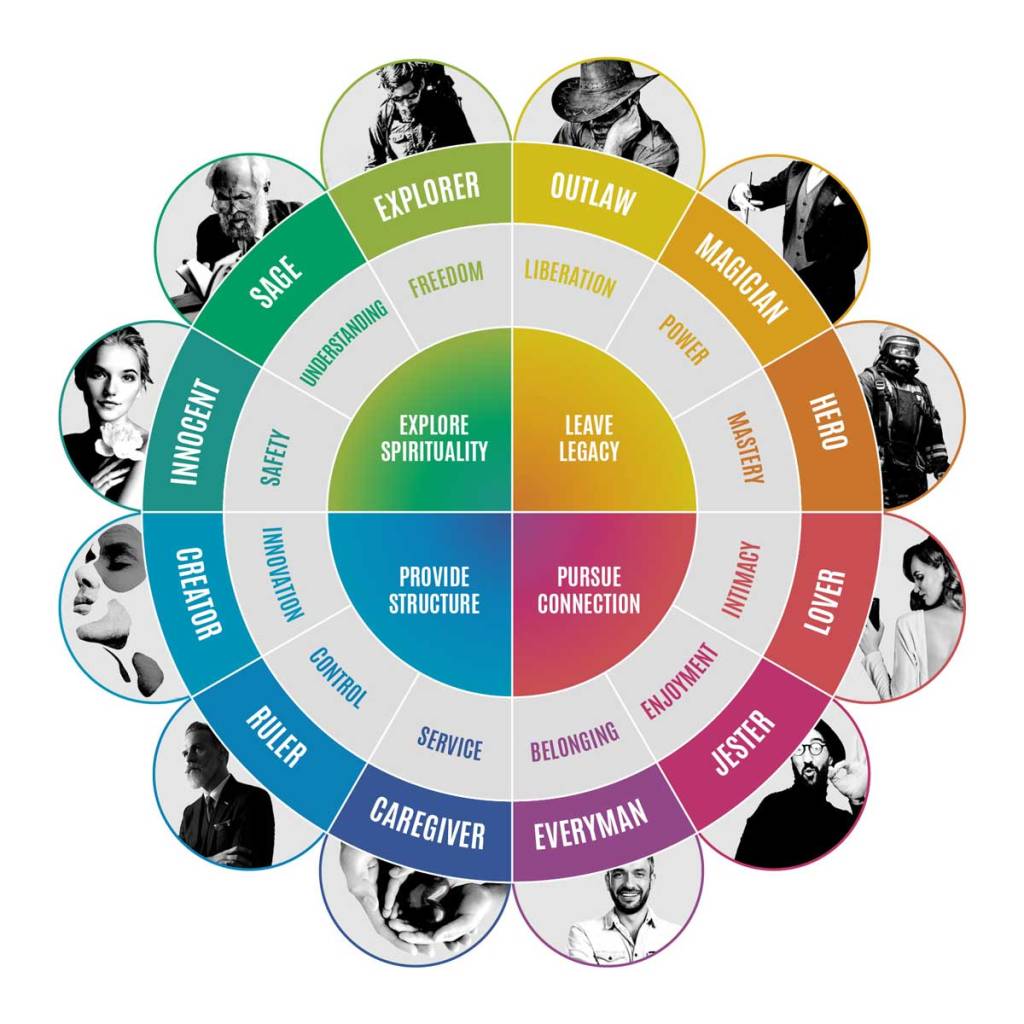
Like people, brands have behaviours. There are carers and rebels. Heroes and leaders. Outlaws and creators. Some more clearly defined than others. Some vocal yet without the actions to back the talk. Yet, some walk the talk. Like people, brands can have more than one character. Defining a brand is many things and a lifelong process of invention and reinvention (yup, even brands can die) that typically moves from the meeting rooms into the public space. Consumers become the final gate keepers who watch and use the brand into becoming the purpose it has been defined it to be. The most resilient brands are those whose consumer definition and team definition are the same. Brands are defined not by the words we put behind it but by the consumer who can tell that this brand, this product, is about this because everything within and outside the company continues to reinforce the brand character. When this happens, we succeed as brand experts.
Like many aspects of the marketing business, the 4Ps should also reinforce the brand. Imagine a luxury brand whose pricing does not reflect luxury. Or where products are made of substandard material. Hence the concept of drops. Unique designs. Limited time offer. Scarcity. Difficult access. The brand at every touchpoint, through every product experience – product, people and consumer – must stay true to character. Or if it must change, must redefine its character and carry it through its many corners.
“This above all: to thine own self be true, And it must follow, as the night the day, Thou canst not then be false to any man.” – Hamlet
 Taiwo Odumala's Blog