Recently, I developed a 12-week digital marketing course for someone who was interested in taking their business online, and wanted to learn digital marketing in order to be successful online. In designing the training material, I realized that it would be an injustice to jump right into the digital tools (social media, email, and Google tech, etc.) without giving them a short foundational run through the marketing mix (which definitely impacts how businesses market online, and not forgetting that digital marketing itself falls right under the Promotional Mix).
One area I didn’t envision that we will spend a lot of time on was pricing (took us two weeks of class), and how solid a strategy it could be for online business modelling if done well. Think e-commerce, referral codes, BOGO and loyalty offers, and discounting – and as I’ve found rather predominant in the Canadian market, Friends and Family discounts.
And so I thought, why not make it into a blogpost. Let’s get right into it.
Over the weekend I visited the Bath & Body Works shop in Halton Hills to pick up a few products. Going in, the plan was to pick up two body sprays and bounce. However, when I walked in, after shopping through and making a selection of the scents I wanted, I got to the till to make payment. The till assistant then mentioned to me, ‘We have a promo ongoing, if you buy three of these you can get one free. And, you can pick three different fragrances and you’d still qualify for an extra one free.’ I ended up going for the offer. I paid more than I planned to spend, however to me, I was getting more value for the spend.
So what is Price?
- Price is the amount of money a company charges customers for a product or service. (This is the most basic explanation for what pricing is. In simple terms, it is company set. There is also something called ‘Market set price’ – in this instance usually, a company sets their price depending on what the market considers fair for that product or service, or depending on competition. Think open markets, for example, or industries where company A and Company B products are similar and so, they sell at the same amount or at a percentage of each other, and customers have to then decide which to buy based on other factors e.g. product quality, availability, etc.)
- It can also be defined as the amount of money customers are willing to pay for a product or service. Ever walked into a store, saw an item you loved, and then you see the price tag and you go, hell no?! Or even better, you are in an open market (my Nigerian friends will definitely relate to this one) and after haggling for a while with a seller, you get them to agree to the price you’re willing to pay, even though you’ve successfully slashed the original price by a good percentage.
- The price could be higher or lower than the company set price – depending on the customer perceived value. I discussed this in earlier paragraphs.
- The right price can drive up the most amount of sales and the most profit for your company. This is where the business side of any marketing organization comes in. Please note, you could be making great sales and not making any profit (e.g. operations cost is eroding on your margins – think production costs, supply costs, inventory, warehousing, overheads, etc – or the influence of external factors e.g. competitive market, government regulations, informal sector (for places like Nigeria, consider omonile payments, iyaloja settlements, etc).
- The price must be related to the product’s real and perceived value. I discussed perceived value in paragraphs above. For real value, this is usually the most common pricing model especially among small and medium enterprises. This is primarily called the cost-based model. In simple math, this is your cost (cost of production inclusive warehousing and supply) + mark up percentage. In reality, let’s say after production, your product comes to $2 per piece, and so you say, you are adding a 50% markup as profit. And so your product value is at $3. There is a danger to this pricing model however, it is the quickest to suffer when it comes to profit erosion (for example, in the two months it takes to sell your entire stock, cost of production for your product is now $3.), and so businesses on this spectrum are volatile and very quick to price changes.
Factors that Can Affect Pricing
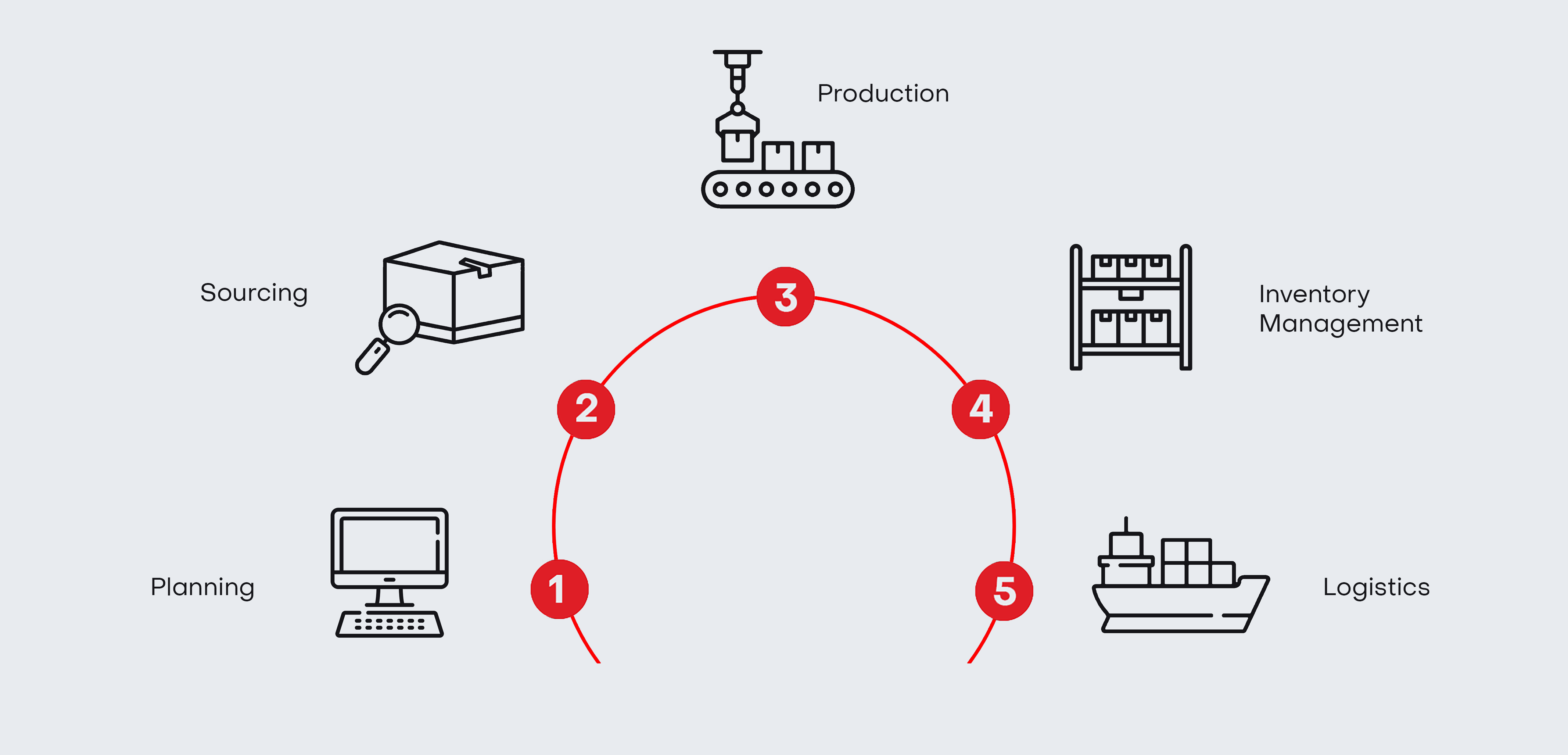
- Supply or Distribution Costs: Anyone recalls what happened during the Covid pandemic? Cost of products went through the roof – especially cost of food products. With border lockdowns were restrictions of movement. It’s easy to think that movements are restricted to people only, however goods and products also require movement from factories to warehouses to stores where you as a consumer can buy them. With supply chain issues, companies tend to manage those complexities by jacking up prices. Availability then means customers have to pay more to get them, regardless of the state of the product when it gets to the stores. Anyone also remembers the Suez canal blockage in 2022? The best way to keep this in mind is that any time there is a supply problem, food prices immediately go up. So the next time you walk into a store and your favorite item is almost twice the price, something is happening in the supply chain.
- Seasonality (Holidays, Easter, Black Friday, etc). This one is easy. Anyone ready for Black Friday? 😃
I have a theory about Black Friday however I won’t share it here. Holidays are typically peak price change periods – usually prices drop during holidays, however a significant company milestone could also be a great time for price changes and loyalty offers. E.g. anniversaries, new product launch, new packaging, etc. - Offers and Discounts. I touched on a bit of this in the preceding section, however I’ll go a bit further here. While in the section above, I mentioned scenarios where offers and discounts may occur i.e. anniversaries, new product rollout, refreshed packaging, etc. One crucial scenario that could trigger an offer by a business is competition. e.g. In Canada retail stores, you will hear things like price match. That is, if you find a product at a lower price at a particular store, you could walk into a different store (participating outlet) whose price is slightly higher than the previous and get them to price match at the price you found.
- Competitors’ prices. I touched a bit on this in the above, however another step further: In marketing and business, competition triggers more price slashes than should normal. Brand A announces they are giving out an offer as part of a company milestone and suddenly, Brand B is also dishing out an offer. And then it becomes a game and prices start fluctuating. Have you ever walked into a store and realise that similar products are offering discounts? i.e. You are looking to buy Pasta, and both Brand A and Brand B have price slashes on their products. Another crucial example, if you live in Canada, look out for gas prices in your city. One gas station suddenly drops prices by a few cents, and suddenly every other filling station drops to the same price point. Usually, this pricing strategy happens when brands have no distinctive competitive advantage over other brands in the same market or sector.
Using Product Pricing to Raise Brand Status and Perception
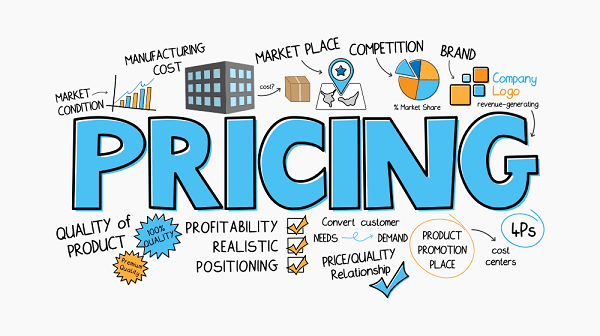
Remember the popular saying, ‘Know your worth, and then add tax’? Well, in marketing and with pricing as a key strategy, this is when your product is priced highly that consumers have no choice but to consider it premium. Raising status through pricing is a common tactic globally, and it quickly helps a brand achieve a prestigious status / perception. Ever wondered why some products are perceived as premium especially when the difference between them and product B is the brand name? Two key things to note:
- Some high-end businesses might raise the price of their products to give the appearance of being a luxury to appeal to an affluent audience .i.e. Apple vs Samsung phones. To be fair, Apple products appeal to a particular demographic / socio-economic class especially in emerging economies (mostly because consumers pay the full price upfront and entirely in cash unlike the credit system in developed countries) and in developed economies, it is mostly a status symbol. Samsung gadgets on the other hand cater to a wide range of socio-economic groups regardless of the economies. Whatever your income class, there is a Samsung for you, and across economies, depending on affordability, you have a range of choices.
- On the other hand, businesses might lower the price of a new product or offer a discount to entice more consumers into buying and trying the product. And so with this, price is usually the first marketing tactic for new product introductions into a new market (gaining market share).
Conclusion
While these examples above are not a one-size-fits-all, the better way to marketing success with pricing is customizing your pricing strategy for your business, taking into consideration your stakeholders, the industry your brand is playing in, the customer, and business sustainability.
 Taiwo Odumala's Blog