Once upon a time in a land so far away, there lived a princess in a beautiful castle. If ever read a lot of childhood stories, you’d be very familiar with these particular kinds of beginning. Well, these kinds of stories mostly happen in Disney World and they almost always ended happily.
In advertising, there is usually no particular “happy ending” – well unless the advertising broke a lot of sales record. Sometimes storytelling in advertising is hard, cold facts. Sometimes it’s about the brand’s journey. Sometimes it’s unrelated and only the lone logo at the end lets you know this is paid advertising. Sometimes storytelling in the marketing business leaves you with a mushy feeling and showcases the brand as the enabler. Other times, it’s a funny episode that gets you going, “That’s insaaane!”. And very rarely, it annoys you or is one you just can’t make sense of.

Marketing icons
Storytelling in advertising, 99% of the time does not begin with once upon a time. In fact, most times, the time is the present and the events in it doesn’t happen in a land far away. It’s happening right on your screen – big and small. Storytelling in advertising means building a narrative around a product and letting that inform the brand story. It could also be an engaging story while submerging the brand in it.
Stories are about human experiences and intersections. More importantly, storytelling in branding and marketing is about a truth – product truth, consumer truth, cultural truth.
Remember John Wick 3? If I asked, you’d probably say it’s about a professional hired killer engaged in mindless killing because somebody killed his dog. However, believe it or not, John Wick is a love story – the story of a man who lost his love and would do anything to hold on to memories of that love – even if what’s left of those memories is a dog.
Ingenious to its classic storytelling, it started with John Wick seeking solace in the most unlikely place even as he has 24hours before the bounty on his head kicks into place. He seeks help from the High Table to get the man who placed a bounty on his head in the first place. Risking it all yet again, we find him fighting on the side of that same man. At the end, he finds himself right where he started – against The Continental. Again holding on to memories of lost love and revenge.
This is the same in successful advertising. There’s a journey which the brand takes the consumer on. Across the several stories told, there is a constant, an underlying brand truth – the reason why the business is and will still remain relevant to the consumer. In this successful marketing, there is continuity, humour, synergy and consistency across all the products touchpoints.
Great marketing stories like any great story can transcend generations and even the product lifespan.
Like Avengers which has had ten years of sequels all told in bits and pieces until Endgame where all the pieces came together to make one complete story.
A brand bears an identifiable mark, most often connected to something so small yet important called the logo. Storytelling can also be employed in branding especially as branding is everything associated with a brand that makes it easily identifiable from others in the same space. Branding is the tone of a brand’s advertising, the personalities it puts forward, the habits it encourages, the fonts it uses, the colours people know it by. More than anything, branding is the lifestyle of a product or service.
How then can storytelling be applied to branding?
Simple. You know how sometimes you speak or act in a certain way and people ask if you are alright because that’s not your usual manner? Anything out of character will make the consumer go “What’s going on with brand A? They seem out of character.” That is exactly what storytelling through branding means for an organisation – consistency in character, outlook, colours, truth and with the marketing story the brand is currently pushing out.
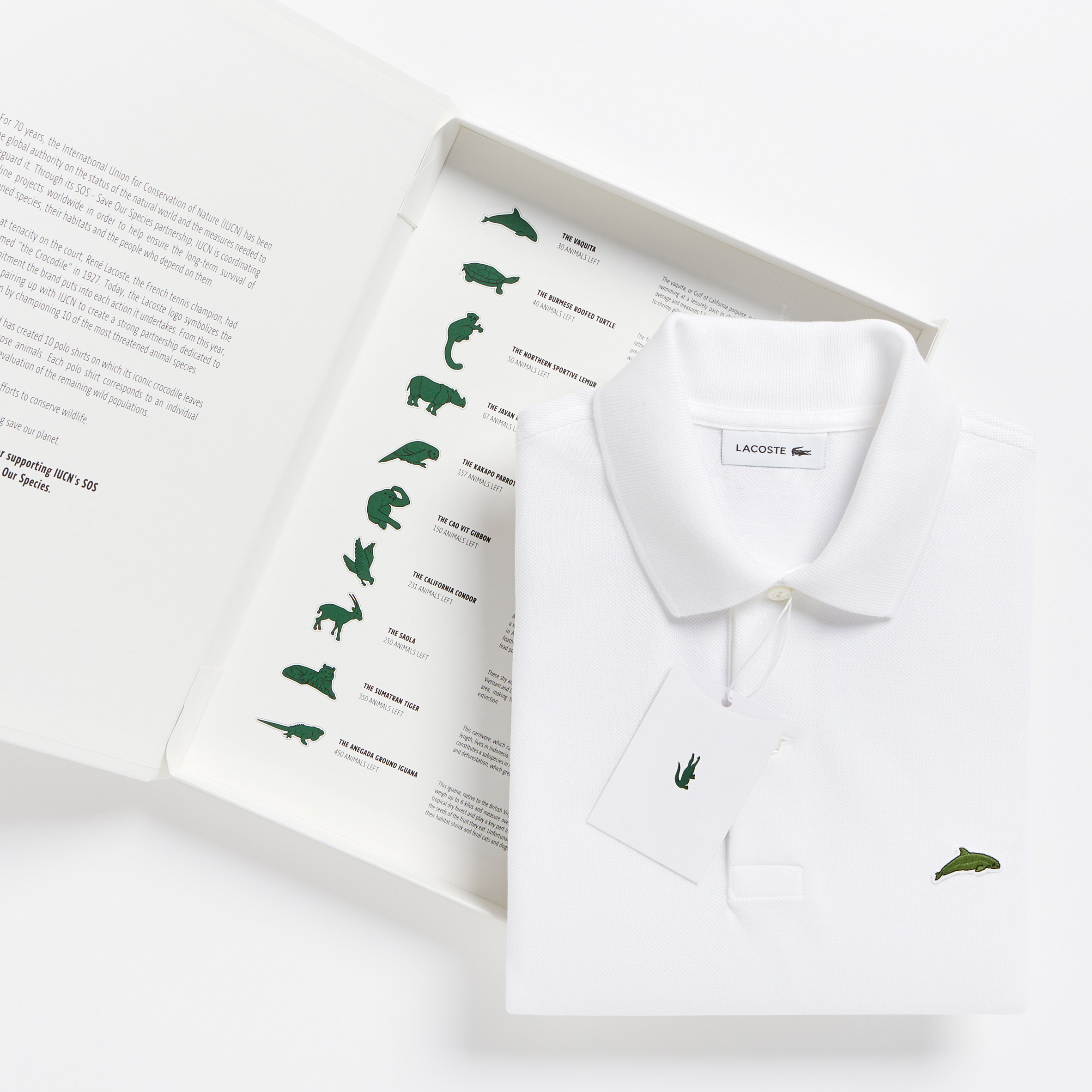
Branding and Lacoste logo change
An exciting example is Lacoste which changed its logo for a cause – to save endangered animal species. They used the animals in place of their Lacoste crocodile logo. The brand then went ahead to create a Limited Edition line to save the species, making sure the number of polo shirts corresponds to the number of animal individuals known to remain in the wild. For instance, the most limited run features The Gulf of California porpoise, of which there are only 30 left in the wild. That’s how to tell stories using just brand elements.
When telling a brand’s story through narrative, there is no particular or correct way to start. You could start at the beginning and tell it chronologically, all the way to the end. Or you could start at the end, and take it all the way to the very beginning. You could start in the middle and work your way forward or backward. Your narrative technique is crucial too, same as the point of view.
Storytelling with brands is luring your target audience into your world of wild imagination by captivating them with relatable narrative and engaging visuals of distinct and unique brand elements.
The art of storytelling in branding and marketing is indeed one which must be done artistically and critically. Every aspect of the brand has to tell the story or tie back to the story. From logo positioning, to placement in movies, to social and digital experiences with the brand to traditional advertising, to the sort of media it buys into. The story must be one and consistent at every consumer touch points.
In the end, there is always an objective to every brand story; most importantly, it must compel a consumer to engage.
*****
If you’ve enjoyed this article, please support the blog!
 Taiwo Odumala's Blog